

Stevia: Friend or Foe? The Surprising Truth About Your Sweetener
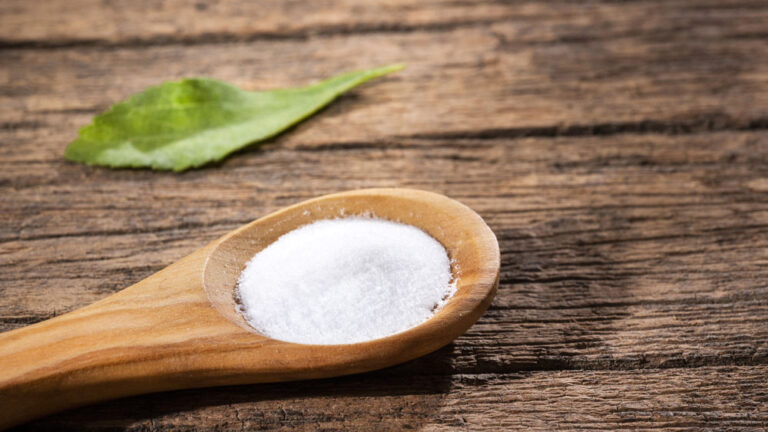
Today, we are diving deep into a topic that has been causing a lot of confusion in the health world: Is stevia bad for you?
The world of sugar alternatives is full of drama. Some options out there, such as aspartame, are actually neurotoxic and harmful to your brain.
Stevia, on the other hand, is a natural plant that was kept off the market for decades by regulators, probably influenced by the synthetic sweetener industry. (As we see the regulatory agencies and the industry they’re supposed to regulate being a revolving door, wherever we look in our government.)
When stevia finally became available, it got popular fast! But in the last 5 to 7 years, things have gotten weird.
You might have heard that stevia tastes bad or causes health problems. But what if I told you that most of those problems aren't actually caused by stevia? It's time to uncover the "blending game."
To watch or listen to this blog post instead, click here.
What Is Stevia?
Stevia comes from the leaves of the Stevia rebaudiana plant, which is native to South America. People there have used these leaves to sweeten their tea for hundreds of years.
What makes it so amazing is its power: it is hundreds of times sweeter than white sugar, yet it has zero calories and zero impact on blood sugar.
This makes it a "holy grail" for people trying to lose weight or manage diabetes.
However, because it is a natural plant, big chemical companies can’t "own" it or patent it. That’s where the trouble started.
The “Blending Game”: What’s Really in Your Stevia
To make more money, big food companies realized they needed to create products they could patent.
They also wanted to fix a "problem" with pure stevia: it is so strong that a tiny bit can be hard to measure for baking.
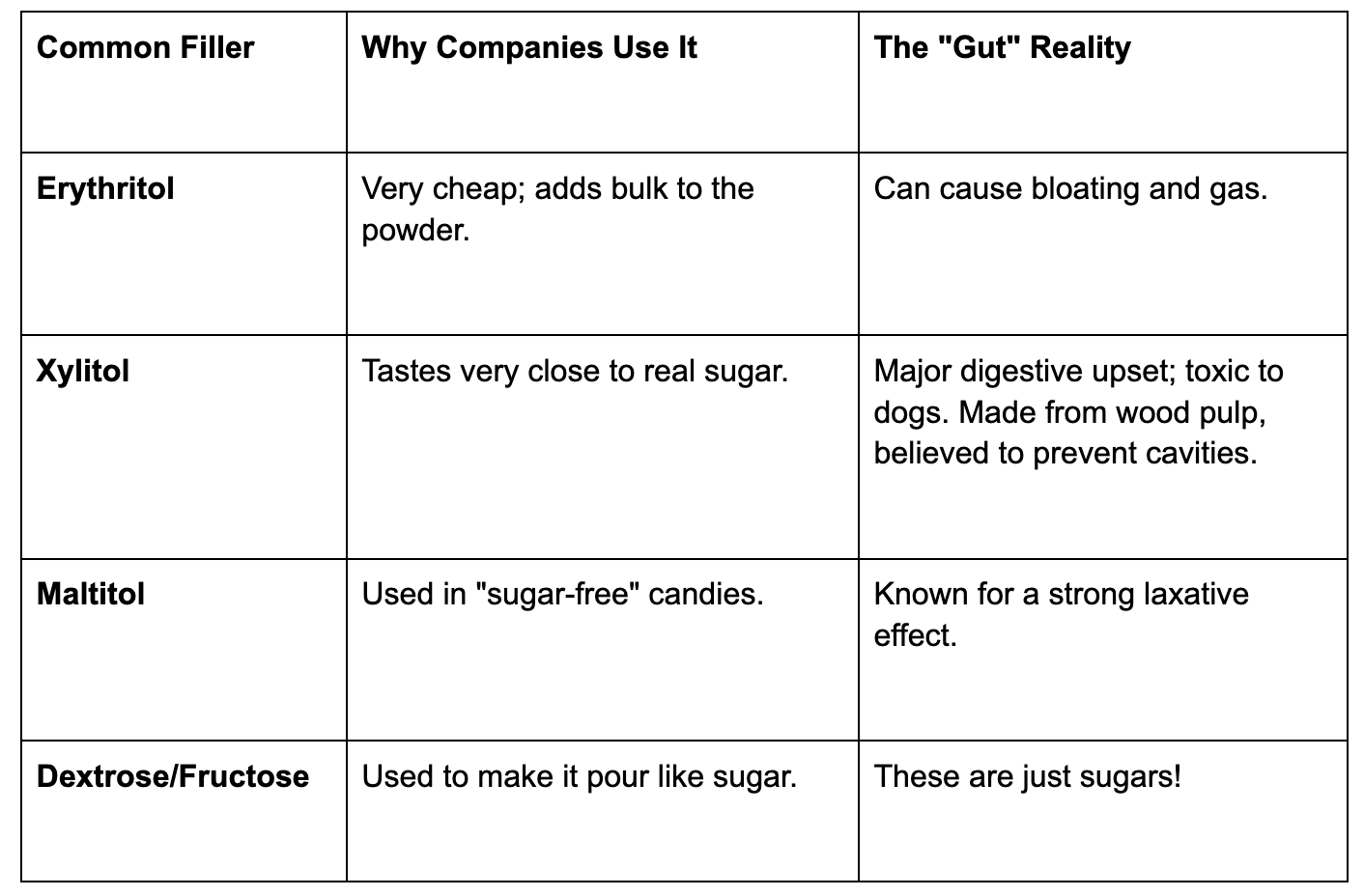
Their solution? They started mixing a tiny bit of stevia with cheap "fillers" called sugar alcohols. Most of the time, when you buy a box that says "Stevia" in big letters, the actual stevia is the very last ingredient on the list!
Is Stevia Bad for You?
When someone eats a "Stevia-sweetened" cookie and ends up with a bellyache, they don't usually blame the chemical filler. They blame the name on the front of the box.
It’s like baking a cake with high-quality flour but using spoiled, funky-tasting frosting. If the cake tastes bad, you don’t blame the flour!
Unfortunately, the media often repeats this mistake. They report on studies about "stevia blends" without mentioning that the sugar alcohols were the ingredients actually causing the distress.
Even many doctors and researchers don't parse the two apart, which leaves consumers feeling scared of a harmless leaf.
Is stevia bad for you?
Pure stevia is generally safe and does not raise blood sugar. However, many “stevia” products contain sugar alcohols like erythritol, which can cause digestive issues.
If you want to learn how to spot these tricks in all your food, my 12-Step Healthy Eating Course is designed to turn you into an expert label reader.
How to Choose a Healthy Stevia Product
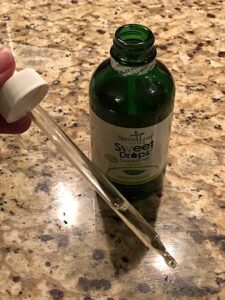
Liquid stevia is often much purer.
If you want the benefits of a natural sweetener without the bathroom emergency, you have to look past the marketing.
This is a core part of what we teach in the GreenSmoothieGirl Detox, where we focus for 26 days on removing irritants that make your body work harder than it has to.
- Look for "Reb A" — Rebaudioside A (or Reb A) is the sweet compound extracted from the leaf. While it is processed to become a powder, it is much closer to nature than a chemical sugar alcohol.
- Choose Liquid Over Powder — Liquid stevia is often much purer. Because it’s a liquid, manufacturers don't need to add bulky fillers like erythritol to make it look like a spoonful of sugar. One or two drops is usually all you need for a coffee or a smoothie.
- Watch Out for "Big Brand" Blends — Be extra careful with name brands. These are often patented blends owned by major chemical corporations, like Cargill. They are often mostly erythritol and "natural flavors," with only a tiny dusting of stevia, like one percent or less.
- Listen to Your Body — If your belly does backflips after eating a "sugar-free" treat, check the label for anything ending in "-itol". Those are the sugar alcohols. If you switch to pure stevia and your symptoms go away, you’ve found the culprit!
The Bottom Line: Keep it Simple
Is stevia bad for you? No, yet when it’s blended with chemical sugar alcohols, it may create digestive problems.
Stevia and monk fruit remain the best plant-based, non-caloric sweeteners available.
Don't let the "blending game" trick you into thinking the plant is the enemy. When used in its pure form, stevia is a fantastic tool to help you kick the sugar habit and keep your energy levels stable.
If you’re ready to take the next step in your health journey and want a guided path to feeling your best, I highly recommend checking out our GreenSmoothieGirl 26-Day Detox. We take the guesswork out of what to eat so you can just focus on feeling great.
Stay healthy, stay happy, and keep those green smoothies flowing!
 Robyn Openshaw, MSW, is the bestselling author of The Green Smoothies Diet, 12 Steps to Whole Foods, and 2017’s #1 Amazon Bestseller and USA Today Bestseller, Vibe. Learn more about how to make the journey painless, from the nutrient-scarce Standard American Diet, to a whole-foods diet, in her free video masterclass 12 Steps to Whole Foods.
Disclosure: This post may contain affiliate links that help support the GSG mission without costing you extra. I recommend only companies and products that I use myself.
Image Notes
- Stevia image used under the Creative Commons Attribution-Share Alike 4.0 International license by Bacharnock
Posted in: Health Concerns, Natural Products, Whole Food










Do you have a brand to recommend if we just have to use it?
Really helpful article. As the other commentor said, I was also hoping to see a clean brand of Stevia that you would recommend. Thank you!
Thank you for your research on this. It was very helpful as always and much appreciated!
Thanks for this info. It is so hard to find pure stevia sweeteners at the markets. I'll try finding a liquid sweetener as you suggest.