

The Hidden Side of Supplements: What You’re Not Supposed to Know
The Illusion of Safety
Most people trust supplement labels without ever questioning how these products are made. But the supplement industry truth is far more concerning than marketers want you to know.
That harmless-looking FDA disclaimer is actually a warning that no one is verifying purity, potency, or safety – and the hidden risks go far beyond the label.
The Supplement Industry Truth Behind FDA Disclaimers
When you flip over almost any supplement bottle, you’ll see the same comforting disclaimer:
“This statement has not been evaluated by the FDA. This product is not intended to diagnose, treat, cure, or prevent any disease.”
We’ve all read it – and then ignored it. It feels harmless, almost quaint. But those words are more than a legal footnote.
They’re a red flag waving in plain sight, a quiet confession that no one is watching the hen house.
Because the truth is, the FDA doesn’t test your supplements. It doesn’t check for purity, potency, or even safety.
Manufacturers make those claims themselves — or skip the testing altogether.
This is the underexamined supplement industry truth: we’re buying products on trust, not verification.
What Supplement Companies Don’t Tell You About GRAS Ingredients
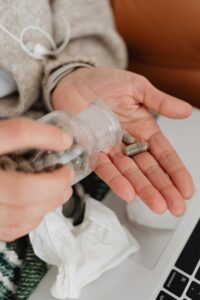
The truth is, "Generally Recognized As Truth" means whatever the manufacturer says it means.
You’ve probably seen the acronym GRAS on labels, standing for “Generally Recognized as Safe.” It sounds official, doesn’t it?
But here’s the catch: companies decide that for themselves.
That’s right – if a supplement company claims an ingredient is GRAS, there’s no requirement that the FDA or any independent body confirm it. No one checks the data, inspects the factory, or verifies the chemistry.
And what’s hiding behind that GRAS stamp?
Additives like dicalcium phosphate, silicon dioxide, shellac, and magnesium stearate – all labeled as safe, yet linked to long-term toxicity, digestive irritation, or heavy metal exposure.
The supplement industry truth? GRAS means whatever the manufacturer says it means.
From Mines and Factories, Not Meadows
The supplement industry wants you to picture green fields and herbal gardens.
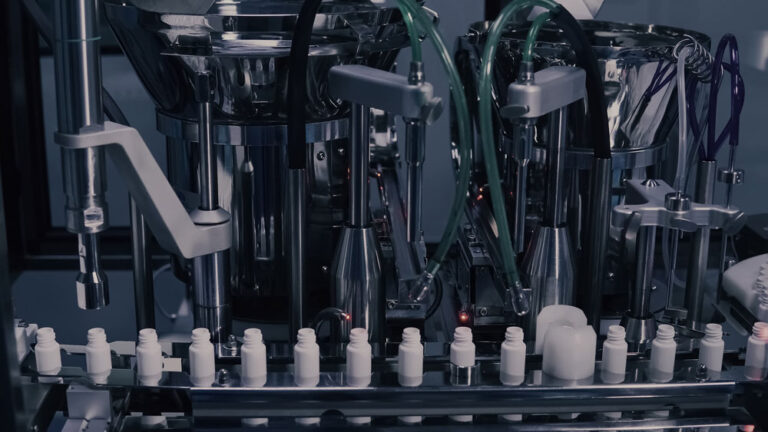
The reality looks more like industrial warehouses in China and India, where air and water contamination exceed anything the EPA would tolerate in the U.S.
Workers wear hazmat suits while mixing “natural” vitamins.
The capsules that reach your shelf are the sanitized result of global outsourcing – cheap raw materials your kidneys and liver have to work overtime to process out – with chemical solvents and fillers, branded as “wellness.”
Hidden Toxins in Supplements You Never See on the Label

A child could take a daily gummy vitamin for years without anyone verifying what cumulative effect that exposure has.
Most consumers assume the ingredients list tells the whole story. It doesn’t.
Manufacturers aren’t required to disclose what’s used during production – only what remains afterward in detectable amounts.
That means solvents, stabilizers, flow agents, or bleaching compounds can all touch your supplements without ever appearing on the label.
Even worse, the “trace” toxins allowed in supplements – such as arsenic, lead, and mercury – are permitted up to limits set by the FDA and WHO. Yet those limits vary wildly, with no consistent global standard, and no clear scientific basis for what’s “safe.”
A child could take a daily gummy vitamin for years without anyone verifying what cumulative effect that exposure has.
[Related: How To Detox From Heavy Metals Naturally: 3 Actions You Can Take]
Search Engines Don’t Want You to Know This
When my book Take Daily was written, even finding independent data about supplement manufacturing was difficult.
Searches for chemical sourcing or GRAS filings often returned sanitized pages – press releases, trade websites, or corporate “fact sheets.”
Why? Because Big Tech plays gatekeeper.
Google and AI search tools increasingly bury independent health content, labeling it “misinformation” while elevating pharmaceutical and corporate sources
It’s not paranoia; it’s policy. Algorithms reward conformity and compliance. The deeper you dig, the fewer results you find that challenge industry narratives.
This is how censorship works today – not through bans or book burnings, but through silence and invisibility.
A $200 Billion Industry With No Safety Net
Globally, the supplement industry generates over $200 billion annually. Yet, unlike drugs, these products are not tested before hitting the market.
There’s no universal registry of side effects. And lawsuits over contamination or false claims rarely make headlines.
The economic incentive is simple: the less you know, the more you buy.
You believe in “immune support” and “anti-aging,” and they believe in profit. Both sides get what they want – until health consequences appear, slowly, subtly, over the years.
The Truth They’d Rather You Ignore
Let’s be clear: not every supplement is harmful. But the system is opaque by design, and that’s the danger.
The marketing speaks in wellness slogans; the science hides behind technical jargon. Chemical names like pyridoxine and cyanocobalamin sound authoritative – but they’re often synthetic analogs made from industrial feedstocks.
The industry knows that confusion keeps you compliant. As my book, Take Daily, puts it:
“They use big, chemical names for what you are to believe are nutrients. Over time, you come to believe that retinol and pyridoxine are vitamins A and B6. Really they’re just chemicals!”
The New Wellness Literacy

Discover how you can start your own supplement awakening!
We can’t keep relying on regulators – or algorithms– to tell us what’s safe. The only antidote to this kind of deception is education.
Here’s how to start your own supplement awakening:
- Look up every ingredient in your supplements. Not on the label – the chemical process that produces it.
- Demand transparency from brands. If they don't disclose sourcing, that’s a red flag.
- Trust your body, not marketing claims. If it doesn’t make you feel better within weeks, it probably isn’t helping.
- Remember: “natural” means nothing. There’s no regulatory definition – it’s just a word on a label.
When you demand real information, the illusion begins to collapse.
Your Health, Unfiltered
The supplement industry thrives on your trust. But trust should be earned, not assumed.
When you swallow a capsule, you deserve to know where it came from, how it was made, and whether its safety was verified – or merely declared.
If that transparency doesn’t exist, it’s not wellness. It’s marketing.
Want to Learn the Full Truth?
This post is adapted from Take Daily: How Supplements Hijack Your Health by Robyn Openshaw and Mike Fairclough – a fearless exposé of the supplement industry truth and the manufacturing secrets hidden behind “natural” labels.
Dive deeper and uncover what’s really inside your supplements.
Your Questions Answered
Are supplements regulated by the FDA?
No. The FDA does not test supplements for purity, safety, or effectiveness before they are sold.
What is the GRAS loophole?
A manufacturer can declare an ingredient “generally recognized as safe” without FDA review or independent testing.
Are natural supplements safer?
Not necessarily — “natural” has no regulatory definition and is often used as a marketing term.
Can supplements contain toxins?
Yes. Trace amounts of heavy metals and manufacturing solvents are legally allowed.
Read Next: The Secret Marriage of Big Pharma and Big Supplement
 Robyn Openshaw, MSW, is the bestselling author of The Green Smoothies Diet, 12 Steps to Whole Foods, and 2017’s #1 Amazon Bestseller and USA Today Bestseller, Vibe. Learn more about how to make the journey painless, from the nutrient-scarce Standard American Diet, to a whole-foods diet, in her free video masterclass 12 Steps to Whole Foods.
Disclosure: This post may contain affiliate links that help support the GSG mission without costing you extra. I recommend only companies and products that I use myself.

Image Notes
- Gummy vitamin image used under a Attribution-NonCommercial-ShareAlike 2.0 Generic Creative Commons license by Ethan Hurd
Posted in: Health Concerns, Holistic Care, Natural Products, Preventive Care, Supplements









No comments found, but you can be our first!