Let’s Talk About Fitness Supplements: Protein Shakes, Pre-Workout Powders, Bars, and More
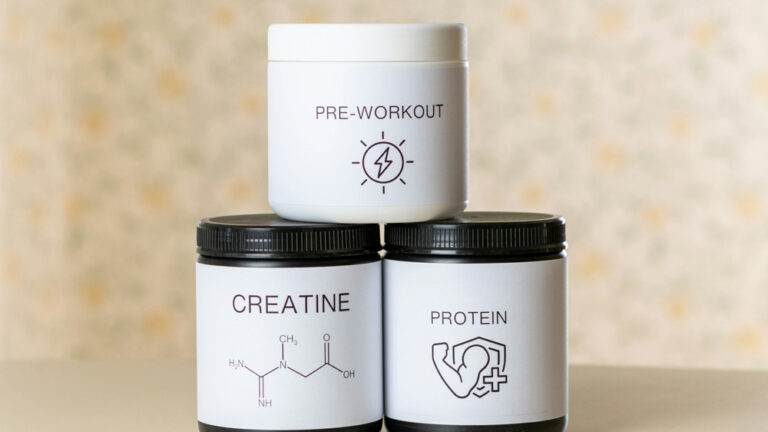
The Fitness Supplement Industry Is Built on a Lie
Protein shakes, pre-workouts, recovery powders, and “clean” fitness bars are marketed as shortcuts to strength and health – but many may be doing the opposite.
Behind the glossy labels and sculpted bodies, the fitness supplement industry hides a troubling reality: widespread contamination with heavy metals, pesticides, forever chemicals, and neurotoxic compounds like glutamates, which are neurotoxic like the infamous MSG?
In Take Daily, Mike Fairclough and I expose how the $30+ billion fitness supplement industry became one of the most profitable – and least regulated – corners of the health market.
And now, our book is available with some great freebies during the book-launch special! Check it out here!
If you prefer, you can listen to or watch this article.
What you'll find in this article:
- From dairy waste to protein powder
- Protein powder and heavy metals
- The pre-workout supplement problem
- Creatine supplements and contamination concerns
- Why "natural" and "organic" labels don't guarantee safety
- How the supplement industry keeps you hooked
- What real strength and recovery look like
From Dairy Waste to Protein Powder
Think about how, when you were a kid, you’d never heard of protein powder or protein bars, and now many people consider them staples.
In fact, many believe they’re BETTER than real food because you’ve been convinced by the industry that protein is a better macronutrient than carbohydrates and fats, even though virtually every food has all three.
It all started with a problem: the waste from the dairy industry.
The dairy industry once discarded a useless byproduct called whey – the liquid left after making cheese.
In a flash of marketing genius, no doubt a boardroom decision trying to get more profit out of their processes, they dried it, packaged it, and told the consumer it was “protein.” Which is the one positive thing you could say about it. But then again, most things are protein
But if you hype protein as the “best” of the three macronutrients, then isn’t a bag of “protein” a great idea?
Sure, protein builds muscle mass, but there’s protein in every food, and the human body can use only a relatively small amount at a time. About the amount that is found in the average meal, in fact.
When the dairy industry figured out a marketing angle to package and sell a waste product, an industrial waste stream became a “superfood.”
[Related: Whey Protein Is Bad For You, Here’s What You Need to Know]
Protein Powder and Heavy Metals: What You’re Not Being Told
Most protein powders are highly processed, stripped of nutrients, and contain contaminants and toxic chemicals.
Today’s protein industry includes whey, pea, soy, various animal products, and “vegan blends.”
But the truth is:
- Most are highly processed, stripped of nutrients, the leftover parts of a plant after the desirable part is packaged for consumers.
- Many contain contaminants from cheap sourcing, many of them in China, where environmental controls are few.
- Even “organic” powders can contain cyanide, glutamate, and forever chemicals. (Even if monosodium glutamate or MSG isn’t added, protein isolates have a lot of natural glutamate with similar reactions in the body.)
The Clean Label Project (2018) tested 134 top-selling U.S. protein powders. Every single brand contained measurable heavy metals. Some even exceeded EPA safety limits.
[Related: MSG: Is It Hiding In Your Food And Making You Sick?]
The Pre-Workout Supplement Problem
Pre-workout supplements are often marketed as clean energy or muscle fuel.
In fact, I’ve found that people think before they exercise, they think they have to eat something specific, and then they have to eat something specific after their workout, too. Personally, I’ve never eaten before OR after a workout.
But their ingredient lists read like chemistry experiments:
- Artificial sweeteners
- Caffeine megadoses
- Synthetic amino acids
- Coloring agents
- Nitric oxide boosters
The result?
Spiked heart rates, elevated blood pressure, hypothalamus and adrenal fatigue, and long-term cardiovascular strain.
The only pre-workout anything I’ve ever taken is a glass of water.
And the nitric oxide in some of these products can double-dose men who may take other supplements or “the blue pill,” and that overdosing has caused heart attacks.
Your body doesn’t need synthetic stimulation or special materials before or after. It needs rest, hydration, and clean fuel. Industry has made the simple very complex!
Creatine Supplements and Contamination Concerns

Creatine is synthesized using industrial chemicals, including precursors found in pesticides. Trace contaminants have been detected even in top brands.
Creatine – another gym staple – is often promoted as safe and effective.
And it can increase muscle mass more quickly than just traditional weight lifting.
But what’s rarely discussed:
Creatine is synthesized using industrial chemicals, including precursors found in pesticides. Trace contaminants have been detected even in top brands.
That doesn’t mean creatine is evil – but manufacturing standards are broken.
When there’s no pre-market testing, you are the guinea pig.
Why “Natural” and “Organic” Labels Don’t Guarantee Safety
Labels, like “organic,” “natural,” and “plant-based,” sound reassuring – but they don’t guarantee purity. (I have more confidence in certified organic. It’s not perfect, but it’s what we’ve got.)
Many plant-based powders are grown in contaminated soils or processed in facilities using industrial solvents.
Even GRAS (Generally Recognized as Safe) Means Very Little
Individual companies often decide whether to adopt safety standards at all. An ingredient is safe because the food manufacturer says it’s safe!
The Environmental Working Group (EWG) estimates over 1,000 chemicals are in our food, in fact, that weren’t even declared as safe by the FDA.
If your bag of greens protein came with a warning label saying “contains lead and cyanide,” would you still drink it?
Now, many companies choose to put the California Prop 65 label on their product because over 40 California law firms buy products from all over the U.S., test them for over 900 contaminants, and inform the company they’re over the threshold in one of those 900 contaminants via a lawsuit.
I’ve learned this the hard way, on a product where every single ingredient in my product was certified organic. So don’t think that Prop 65 labels mean a product is high in lead. It’s companies protecting themselves from the predatory practices of the State of California. The state gets its cut, and the law firm gets theirs, as they have sued literally thousands of companies all over the U.S.
But that doesn’t mean that lead in our food isn’t a real problem.
How the Supplement Industry Keeps You Hooked
The fitness supplement world runs on insecurity and illusion:
- “More protein = more strength.”
- “Pre-workout = energy to work out hard.”
- “Powder = health.”
But it’s just another version of the same fiction: that your body is broken and needs a product to fix it. That regular food isn’t right – you need just the protein part.
When you step back, the logic falls apart. You don’t need lab-created powder to build muscle – you need real food and consistent training.
I developed protein products many years ago, not because I think everyone should be obsessed with protein. But rather, because everyone already was, and so I wanted to make a very clean, much less processed version.
What Real Strength and Recovery Actually Look Like
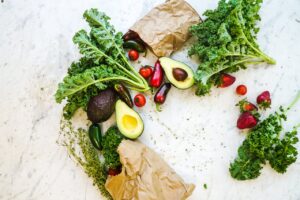
Real strength comes from the kind of whole foods and daily movement your body recognizes as natural.
Real strength doesn’t come from a tub or a bag. It comes from the kind of whole foods and daily movement your body recognizes as natural.
Fuel yourself with:
- Sprouted grains and legumes
- Dark leafy greens
- Seeds and nuts
- Quality sleep
They may not have a label of “protein.” But these don’t just “fuel your workout.” They fuel your life.
The Takeaway: Trade the Blender Bottle for Real Food
The fitness supplement industry has built a perfect illusion – shiny labels, sculpted bodies, and false science. But beneath it all is a toxic mix of contamination, manipulation, and clever marketing.
The truth is simple:
Your body is not built on powders where you aren’t even sure what the ingredients are. Some of the ingredients were made with chemicals that remain in the product but aren’t on the ingredient list.
Health is built from plants, sunlight, movement, and rest.
Trade the blender bottle for real food. You might be wondering why GreenSmoothieGirl makes protein powders. Frankly, I don’t think anyone needs protein powder. And it’s the one product we make I don’t use.
But by the time I formulated our protein, it was considered a staple by most of America. So I figured if people are going to spend billions of dollars on it, I’d make one less processed, cleaner, and I’d add some superfoods in there for better nutrition.
Read the Full Book
This post is adapted from Chapter Ten of Take Daily: How Supplements Hijack Your Health by Robyn Openshaw and Mike Fairclough.
This book exposes the hidden risks behind fitness products that promise “health” but deliver toxins.
Discover the Whole Truth When You Read the Book
Frequently Asked Questions About Fitness Supplements
Are protein powders safe to use every day?
Many protein powders contain measurable levels of heavy metals such as lead, arsenic, cadmium, and mercury. Daily use can increase long-term exposure, especially because these contaminants accumulate in the body over time. While not all protein powders are equally contaminated, the supplement industry is poorly regulated, and consumers are rarely informed about what’s actually in the product.
Do protein shakes really help build muscle?
Protein helps support muscle repair, but protein shakes are not required to build strength. Whole foods already contain protein in balanced amounts that the body can actually use. Research shows the body can only utilize a limited amount of protein at one time – roughly what’s found in a typical meal – making excessive protein intake unnecessary for most people.
Why do protein powders contain heavy metals?
Heavy metals can enter protein powders through contaminated soil, polluted water, industrial processing, and cheap global sourcing. Plant-based proteins are especially vulnerable because plants absorb metals from soil. Even “organic” protein powders can contain heavy metals if grown or processed in contaminated environments.
Are pre-workout supplements dangerous?
Many pre-workout supplements contain stimulant megadoses, synthetic amino acids, artificial sweeteners, and nitric oxide boosters that can spike heart rate and blood pressure. These products may strain the nervous system, adrenal glands, and cardiovascular system, especially when combined with caffeine, medications, or other supplements.
Is creatine safe to take?
Creatine itself is not inherently harmful, but it is synthesized using industrial chemicals, and contamination can occur during manufacturing. Because supplements are not required to undergo pre-market safety testing, quality varies widely between brands. Without transparency and testing, consumers unknowingly assume the risk.
Do I need supplements before or after a workout?
For most people, no. The body does not require special powders or formulas before or after exercise. Hydration, whole foods, rest, and consistent movement provide everything the body needs to recover and build strength naturally.
What’s a safer alternative to protein powders and supplements?
Whole foods such as leafy greens, legumes, sprouted grains, nuts, seeds, fruits, mineral-rich water, and quality sleep support muscle recovery and energy without the contamination risks found in many supplements. Real strength is built through nourishment your body recognizes – not lab-created powders.
 Robyn Openshaw, MSW, is the bestselling author of The Green Smoothies Diet, 12 Steps to Whole Foods, and 2017’s #1 Amazon Bestseller and USA Today Bestseller, Vibe. Learn more about how to make the journey painless, from the nutrient-scarce Standard American Diet, to a whole-foods diet, in her free video masterclass 12 Steps to Whole Foods.
Disclosure: This post may contain affiliate links that help support the GSG mission without costing you extra. I recommend only companies and products that I use myself.

Image Notes
- Protein powder image used under the Creative Commons Attribution 2.0 Generic license via Flickr by Tony Webster
- Creatine image used under the Creative Commons Attribution-Share Alike 4.0 International license via Bernardirfan
Posted in: Exercise, Holistic Care, Lifestyle, Preventive Care, Whole Food